

Description
From one of gaming’s most acclaimed sagas, Gears is bigger than ever, with five thrilling modes and the deepest campaign yet.
Role
I headed a two-person team that functioned as an extension to the main MP level design team at The Coalition. I worked together with Splash Damage's visual departments to preserve gameplay, readability, polishing unique level features and maintaining continual alignment between the two studios.
Versus Trailer / Multiplayer Review (IGN) / Escape Trailer
In short...
- Managed the UK level design team
- Worked on all multiplayer maps released at launch
- Co-development point of contact
- Multiplayer Level Design
- · Preserving gameplay
- · Collision / Cover set-up
- · Scripting / AI set-up
- · Playtesting
- · Cross studio communication

Description / Video 1 / Video 2 / Video 3
A new saga begins for one of the most acclaimed video game franchises in history. After narrowly escaping an attack on their village, JD Fenix (son of celebrated war hero Marcus Fenix) and his friends, Kait and Del, must rescue the ones they love and discover the source of a monstrous new enemy.
Role
I headed a two-person team that functioned as an extension to the main MP level design team at The Coalition. I worked together with Splash Damage's visual departments to preserve gameplay, readability, polishing unique level features and maintaining continual alignment between the two studios.
In short...
- Worked on 6 released DLC maps
- Multiplayer Level Design
- · Preserving gameplay
- · Collision / Cover set-up
- · Scripting / AI set-up
- · Playtesting
- · Cross studio communication

Description / Video 1 / Video 2
Set in the aftermath of its award-winning predecessor, Sniper Elite 4 continues by transporting players across the beautiful Italian peninsula, from sun-drenched Mediterranean coastal towns, to colossal Nazi mega structures, daunting forests and giddying mountain monasteries.
Role
I worked on two SP maps released with the game and its DLC. One is an early campaign level, set in an idyllic Italian coastal village which introduces staple mechanics. The other pushes the tools and AI to create a totally open ended playground where the player sets their crosshair on a new Target: Fuhrer.
I designed these levels from scratch and was an integral point of communication as the levels took shape over the course of the project.
In short...
- Designed multiple released maps
- Singleplayer Level Design
- · Conceptualisation
- · Whiteboxing
- · Scripting / AI set-up
- · Playtesting / Iteration
- · Open-ended / Non-linear gameplay
- · Interdisciplinary Communication

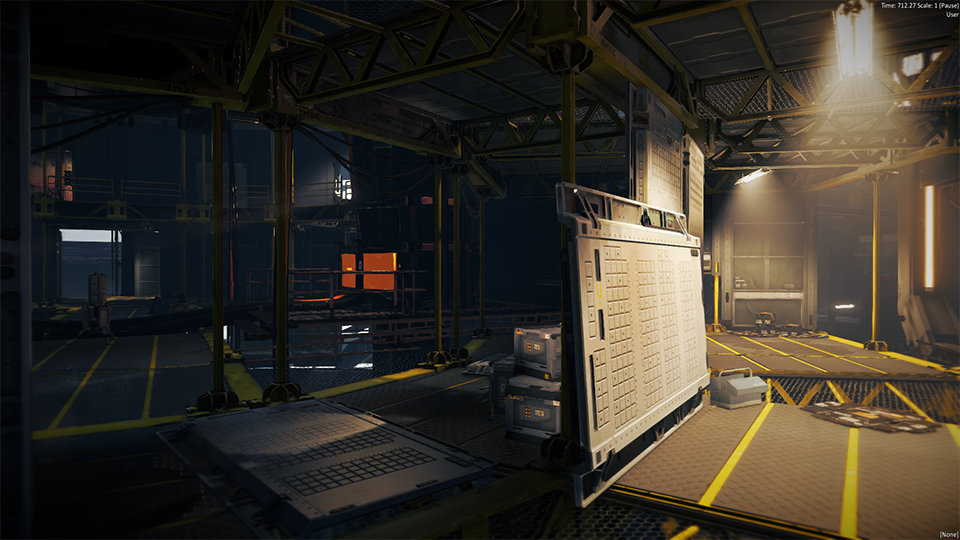
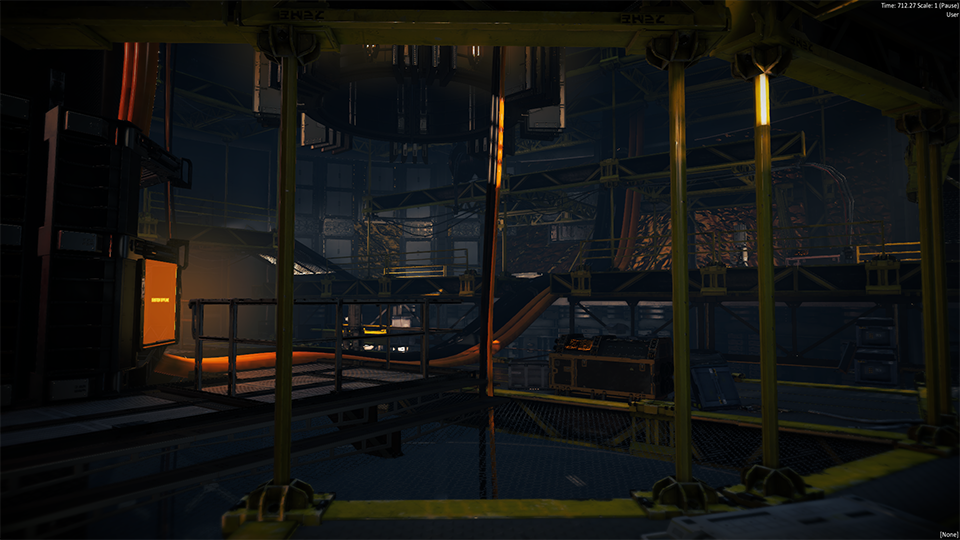
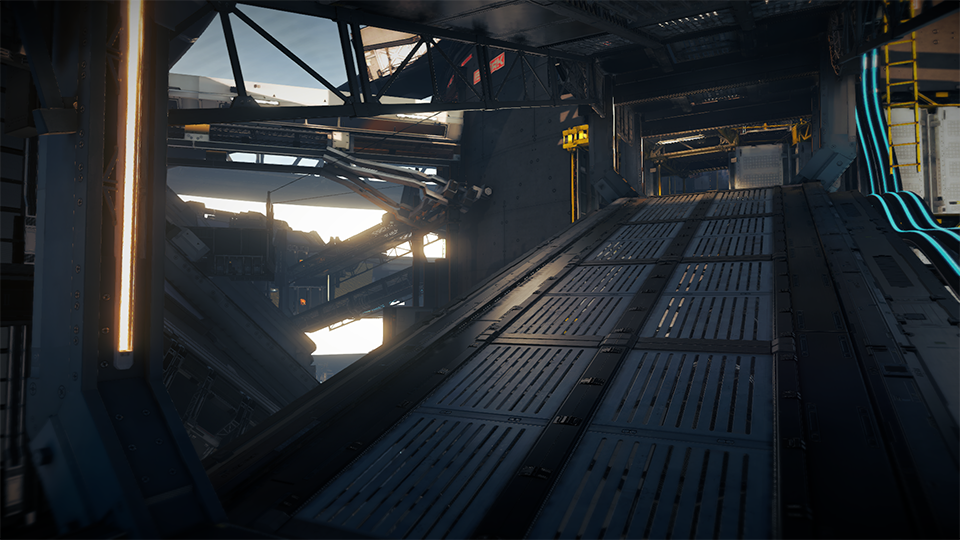


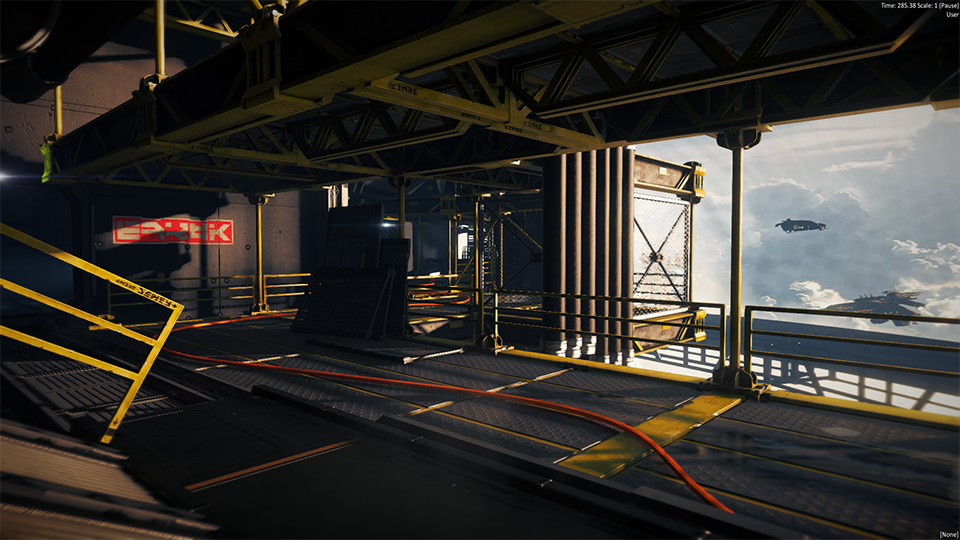
Description / Gallery / Video 1 / Video 2

Set thirty years after the destruction of Helghan, Vekta has become a very different place. Rival factions of Helghast and the Vektans live side by side in a futuristic city, divided by a vast wall. As a covert operative, it's up to you to keep the peace.
Role
During my internship I was responsible for designing a competitive multiplayer map from the ground up until its handover to environment art.
After the game launched I worked on the standalone Intercept expansion where I worked on six of ten co-op wave-defense maps, three of which I designed from initial paper-design up until handover to environment art.
In short...
- Gained responsibility for a production level during my internship
- Got invited back to work on post launch content
- Competitive & Co-op MP Level Design
- · Conceptualisation
- · Whiteboxing
- · Logic / AI set-up
- · Playtesting / Iteration
- · Readability / Player guidance
- · Balance / Competition




Description / Gallery / Video
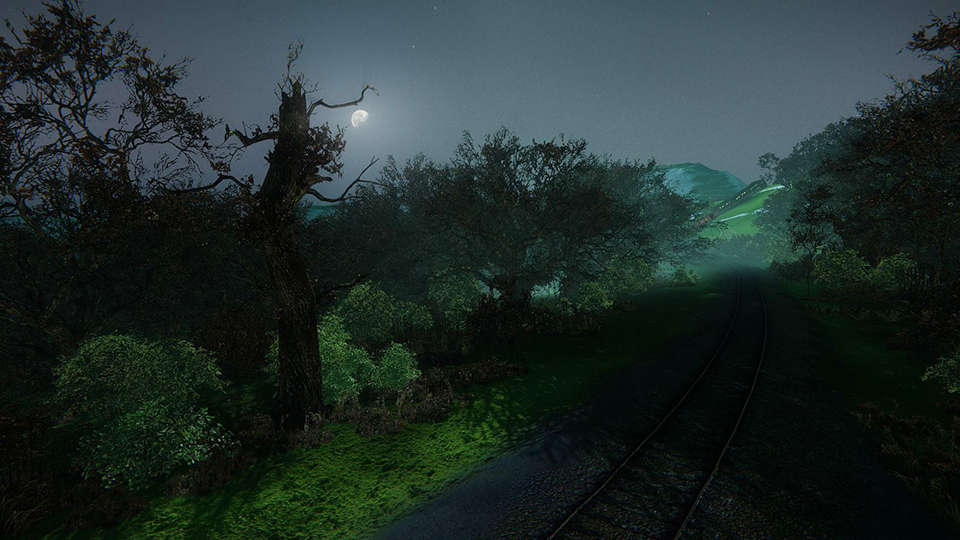
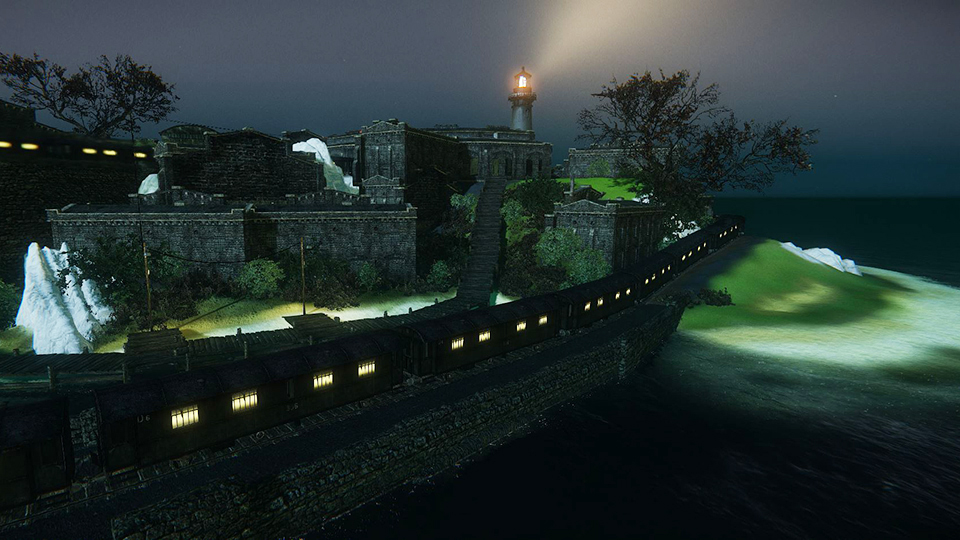
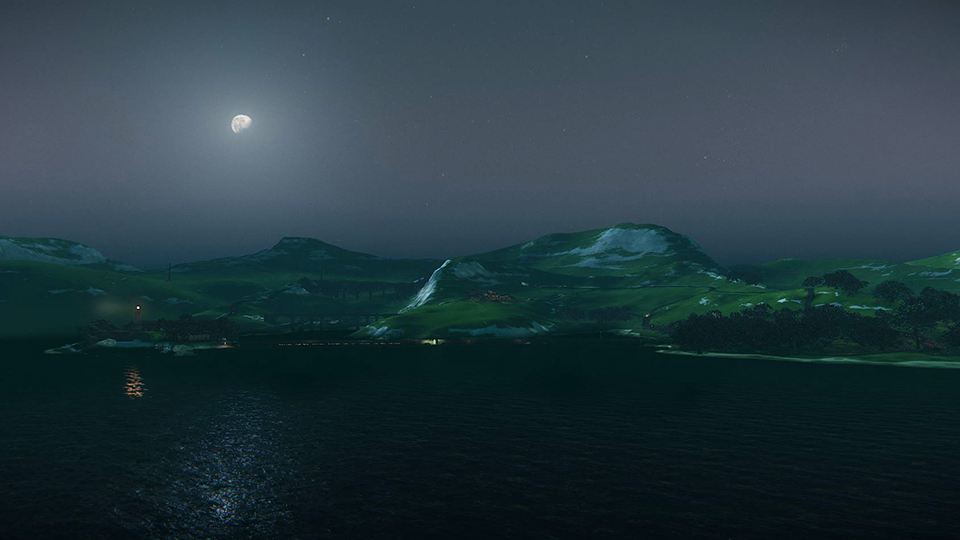
The Lua Line is an automated railway system within the CryEngine SDK. It is controlled by custom entities that have been set up to use Lua scripting. My goals for this project were to broaden my skillset and learn: Lua, working with the CryEngine SDK and terrain modelling/texturing.
Role
I was fully responsible for this project. Assets used in this map were created by me and/or provided by CryTek (available through the CryEngine SDK).
In short...
- Learning Lua
- Learning to work with the CryEngine SDK
- Gained terrain creation experience


Description / Gallery / Video
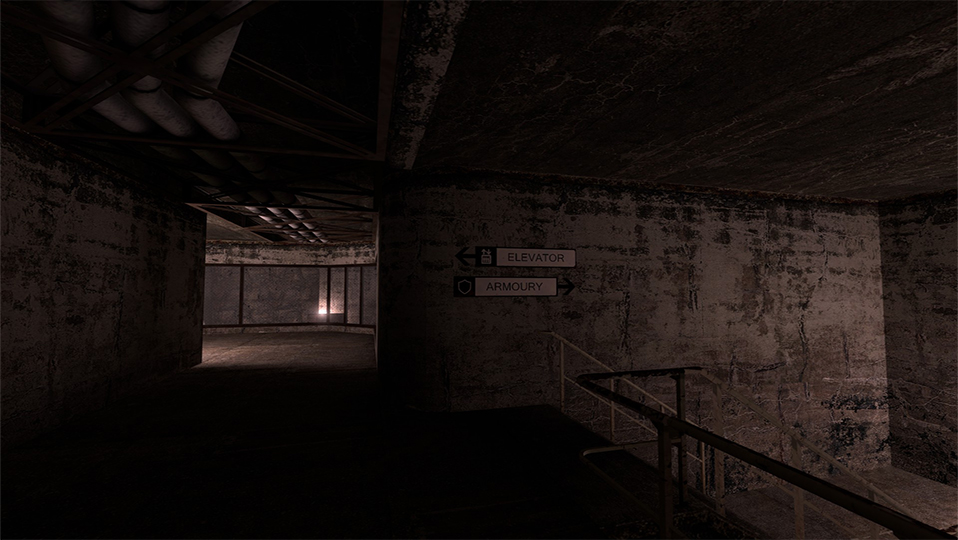
There are many ways to define and practice environmental storytelling depending on the approach of the designer and the targets of the game. No matter what approach you choose, environmental storytelling will help you portray a living and breathing world. A detailed world that incites exploration, immerses and creates a lasting memory.
I created a guide that can help you with this. It lists strengths, weaknesses and structures the different approaches. The guide also contains a tool that recommends an ideal method based on the initial goals of the designer.
Access this guide by following the link on the right, or click on the tool if you are looking to find your ideal approach.
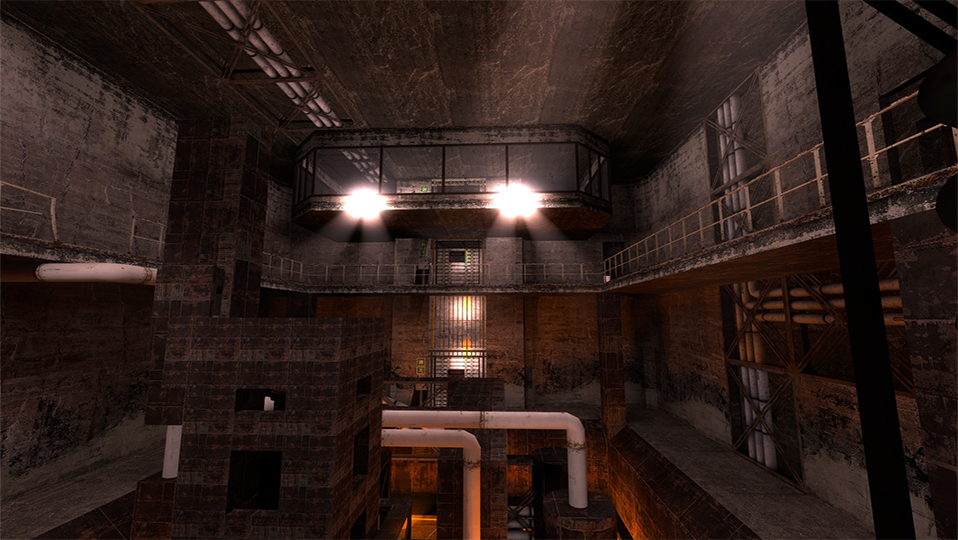
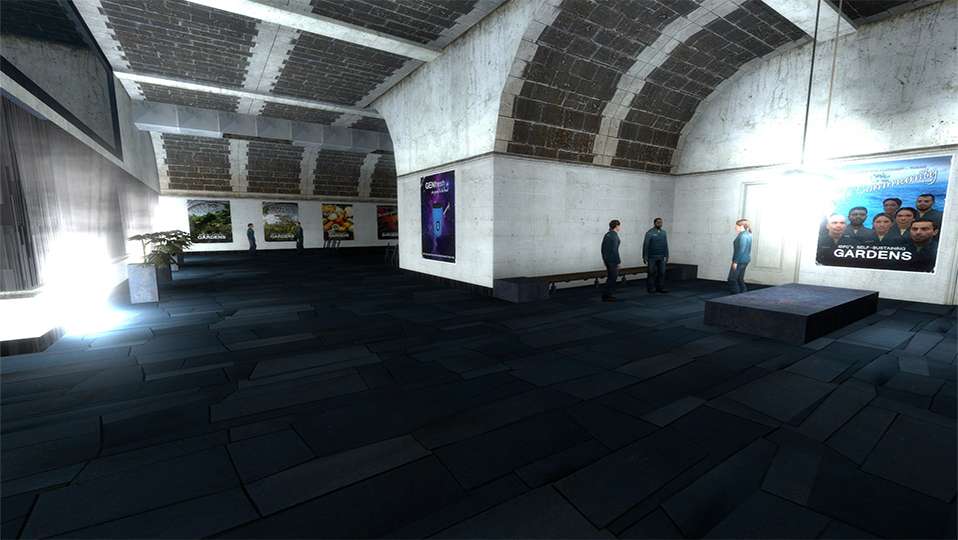
The images/video are from a Source map I created to experiment with and prove my findings.
Role
I was fully responsible for creating the tool, writing the guide and producing the map.
Most assets were provided by Valve and are available through the Source SDK. Voice acting was done by Samuel Brewer/Surgical Savage.
In short...
- Featured on level-design.org
- Invited to present this project at the Unravel Symposium in January 2014
- Encompassed the many different uses of environmental storytelling in a relevant and easy to use tool


Description / Gallery

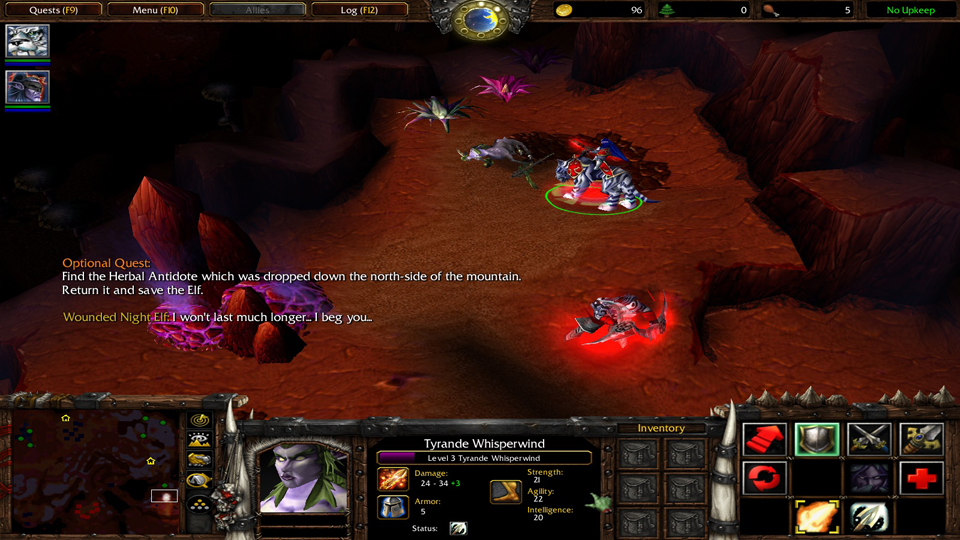
Tyrande Whisperwind just dealt a devastating blow to the Blood Elves by unchaining Illidan from their long lasting torment. The two of them attempt to find their ally, Alleria, whilst braving still deadly Blood Elf territory…
The Corruption of Illidan is a singleplayer ‘Warcraft III: The Frozen Throne’ map that follows the existing lore. It contains two optional quests, a climactic boss battle and numerous scripted events to keep the player challenged and entertained.
Role
I was fully responsible for both designing and creating the level.
All assets used in this map were provided by Blizzard and are available through the Warcaft III Editor.
In short...
- Scripting (quests, encounters, cinematics)
- Getting to grips with the Warcraft III editor
- Working with a tight deadline of 2 weeks
- Singleplayer Level Design
- · Storytelling
- · Pacing


Description / Gallery

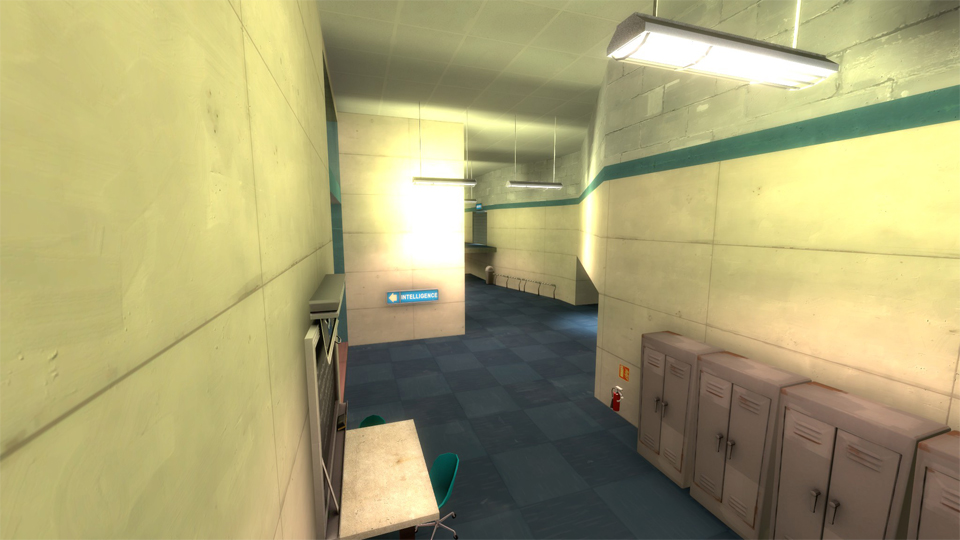
CTF Eden is an action heavy Team Fortress 2 CTF map situated in an underground facility that, in its center, contains a covered garden where most of the action happens. Divided by glass, both flags are suspended right above this garden. This gives players a clear view of the flags whilst fighting in the garden and vice versa.
Most time was spent on creating a fun and balanced layout that accompanies the game styles of the different TF2 classes. Because of the 3 week deadline we were forced to keep non-essential visuals at low priority.
Role
Together with Pieter Hoekstra, a fellow designer and a friend, the two of us designed and created the map from beginning to end.
All assets used in this map were provided by Valve and are available through the Source SDK.
In short...
- Managing tasks whilst working together on a single map
- Working with a tight deadline of 3 weeks
- Multiplayer Level Design
- · Taking all TF2 classes and weapons into account